

When Bhutan Chose Me Before I Chose It
I’ll be honest – Bhutan wasn’t always at the top of my travel list. I’d heard whispers that Bhutan New Traveler’s Choice, a hidden Himalayan kingdom. In this kingdom, happiness mattered more than money. I never thought I’d actually go.
Then one day, I scrolled through another chaotic travel feed. It was filled with crowds and concrete. Suddenly, Bhutan made sense. Then I clear my thought about why Bhutan New Traveler’s Choice.
I booked the ticket and packed a few layers. I stepped into a place where time seems to slow down. In this place, peace isn’t just a concept – it’s a way of life.
No giant billboards, no rush – just clean air, fluttering prayer flags, and smiles that felt genuinely warm. It didn’t take long to understand why Bhutan New Traveler’s Choice for those craving something real.
Right from the moment I landed at Paro International Airport, surrounded by snow-dusted peaks, I knew I was somewhere special.
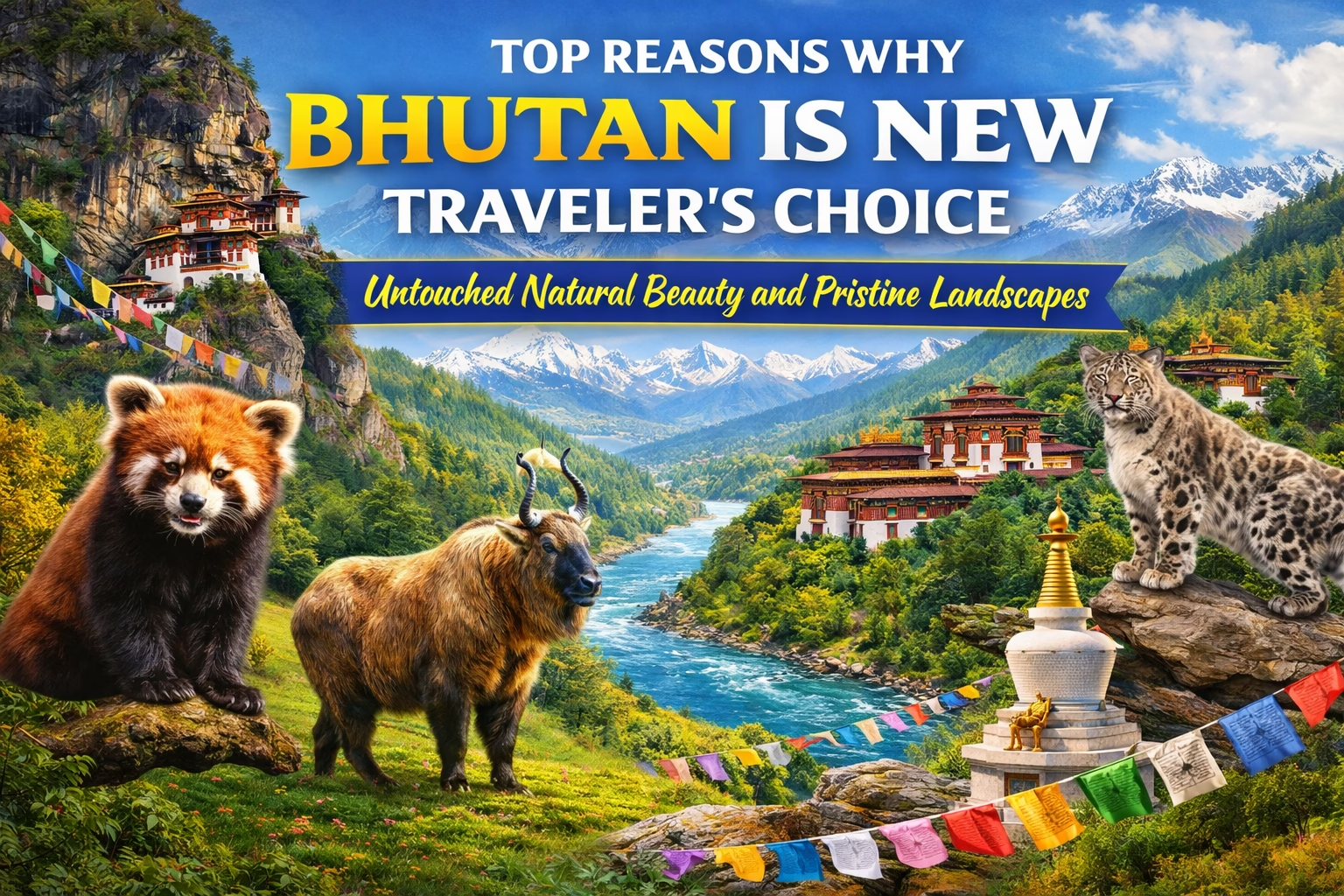
First Impressions: The Kingdom of the Clouds
Bhutan sits tucked between India and China. Unlike its neighbors, it has managed to protect its traditions. It has also maintained its untouched beauty.
With forests covering more than 70% of its land, it’s one of the few carbon-negative countries in the world. Imagine that – a place that absorbs more carbon than it produces.
The Bhutanese call their home Druk Yul – the Land of the Thunder Dragon. You can feel that powerful spirit in everything. It is in the fluttering of prayer flags and the chanting of monks.
You can even sense it in the rhythm of mountain winds echoing through deep valleys.
Why Bhutan Feels Different From Anywhere Else: Bhutan New Traveler’s Choice
1. The Philosophy of Gross National Happiness
Unlike other countries that measure success through money, Bhutan focuses on Gross National Happiness (GNH). It sounds poetic – and it is.
Everything in Bhutan revolves around the idea of balance. True happiness comes from maintaining equilibrium between progress and preservation. It balances people and the planet.
It also means maintaining harmony between body and soul. That is the reason Bhutan New Traveler’s Choice.
As a traveler, you don’t just see this – you feel it. Locals greet you with genuine warmth. Cities stay clean and uncluttered. Bhutan quietly teaches you that happiness doesn’t have to be loud.
2. Untouched Landscapes That Heal the Soul
Everywhere I looked, Bhutan’s landscapes felt like paintings. Towering Himalayan peaks gave way to lush green valleys, where rivers ran like silver threads through the land.
The country seemed to hold its breath in stillness. Misty forests of Punakha surrounded you. The high passes near Dochula also contributed to this serenity.
You start to notice things you’d usually miss. There’s the smell of pine trees. You hear the sound of bells on grazing yaks. You see the way sunlight dances on temple roofs.
3. Monasteries That Whisper to Your Spirit
No trip to Bhutan is finished without visiting a monastery – and none are more iconic than Tiger’s Nest (Taktsang).
The trek up the mountain is not easy. It took me about three hours. I took plenty of breaks to catch my breath and admire the view.
But when you finally stand before that cliffside temple, hanging impossibly over the valley, every step feels worth it. There’s something almost supernatural about the stillness up there – as if the air itself hums with prayer.
4. People Who Make You Feel at Home
What struck me most about Bhutan wasn’t just the scenery; it was the people. Every smile felt genuine, every greeting sincere. Locals dressed in their traditional gho and kira are proud of their heritage but never unkind to outsiders.
I stayed in a family-run homestay in Bumthang. My hosts served homemade butter tea. They shared stories about their ancestors.
There were no fancy resorts. There were no five-star frills. Still, Bhutan’s New Traveler’s Choice was about human connection. Laughter echoed through the valley.
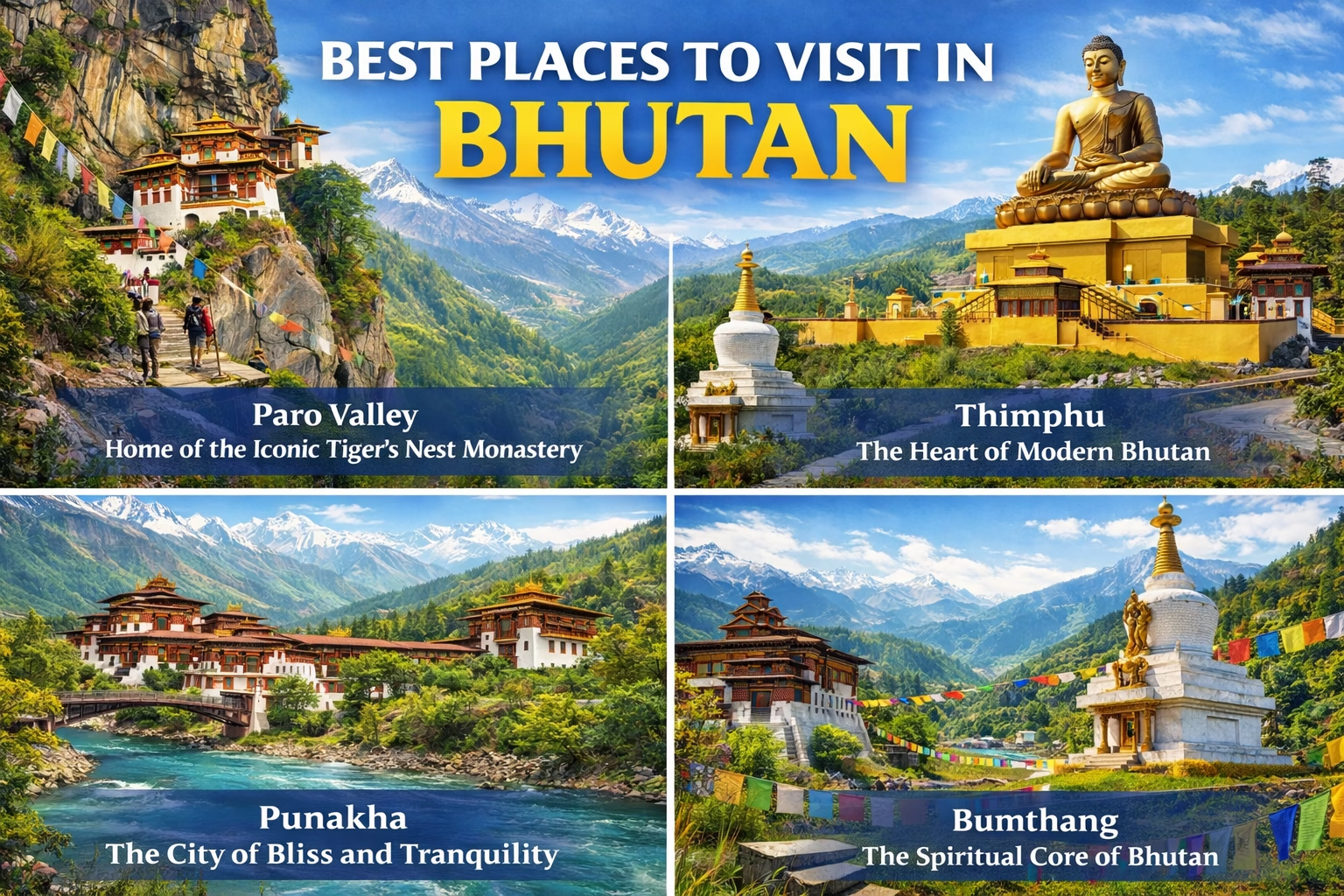
My Favorite Places in Bhutan (and Why They Stole My Heart)
Paro Valley – The Gateway to Magic
If Bhutan were a painting, Paro Valley would be its most beautiful brushstroke. The town is surrounded by terraced fields and dotted with traditional houses that look unchanged for centuries.
Besides the Tiger’s Nest, don’t miss the Rinpung Dzong, an architectural masterpiece that glows golden in the evening light.
Thimphu – The Modern Face of Tradition
Thimphu, the capital, surprised me. It’s one of the only capitals in the world without traffic lights, yet everything runs smoothly. There’s a calm rhythm to the city.
Modern cafes blend effortlessly with ancient monasteries. Locals scroll through their phones just steps away from chanting monks.
Don’t miss the Buddha Dordenma, a massive golden statue that overlooks the city. Standing beneath it, I felt a strange mix of humility and awe.
Punakha – The Valley of Bliss
Punakha felt like a postcard brought to life. Its Dzong, located where two rivers meet, is a sight that stays with you long after you leave. The purple jacaranda trees blooming around it in spring add a surreal charm.
I spent an afternoon watching monks play volleyball in the courtyard—laughter echoing against centuries-old walls. That’s Bhutan in a nutshell: spirituality and joy, living side by side.
Bumthang: The Heartbeat of Bhutan
If you want to feel Bhutan’s spiritual pulse, go to Bumthang. With its ancient temples, peaceful meadows, and warm locals, it’s the place where you lose track of time.
I attended a small local festival there. There were no tourists. Just families dressed in colorful silk robes, dancing and laughing together. It felt like I’d stepped into a living storybook.
Bhutan’s Festivals: Where Color Meets Faith
One thing you absolutely must experience is a Tsechu — Bhutan’s vibrant religious festival.
I was lucky enough to attend the Paro Tsechu, where masked dancers performed ancient stories set to hypnotic drums. Locals believe watching these dances brings blessings and good fortune.
Whether or not you believe it, the energy is electric — joyous, yet deeply spiritual.
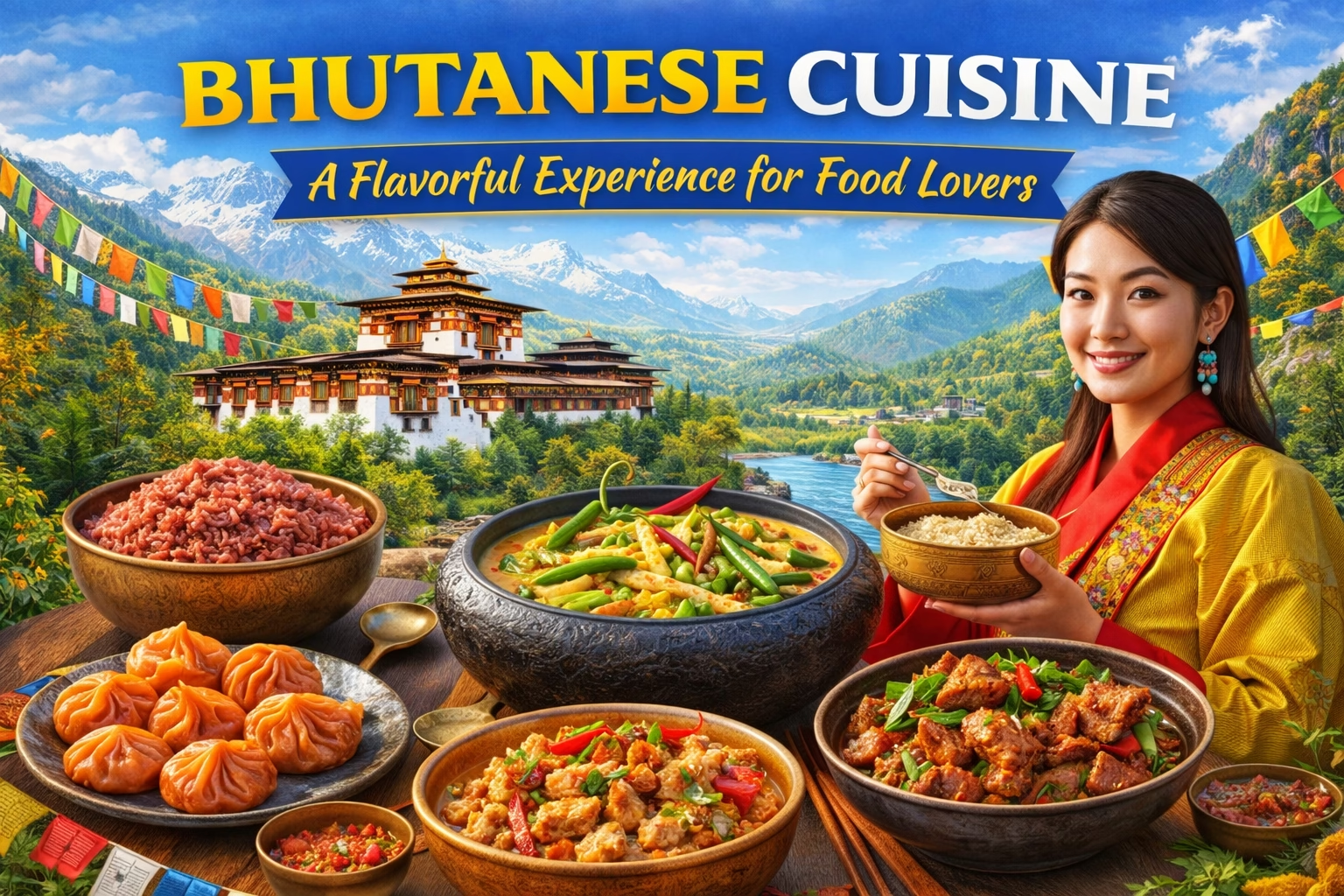
Food in Bhutan: Simple, Spicy, and Soulful
Bhutanese food is bold and unapologetically spicy. Even their national dish, Ema Datshi, is made almost entirely of chilies and cheese!
I loved the Phaksha Paa (pork with red chili) and Momos, which reminded me of Tibetan dumplings. Every meal was hearty, locally sourced, and prepared with love.
And yes, you have to try Suja, the famous butter tea. It’s an acquired taste—imagine salty, creamy tea, but it somehow fits perfectly with the mountain air.
How to Get to Bhutan (and What You Should Know)
The easiest way to reach Bhutan is by air. Paro International Airport is the only international gateway. Let me tell you, that landing is not for the faint of heart!
The plane weaves between mountains before touching down on a tiny strip surrounded by hills. But it’s breathtaking.
If you’re coming from India, you can also enter by road through Phuentsholing, Gelephu, or Samdrup Jongkhar. Indian travelers don’t need a visa, just a valid ID.
One thing to note: Bhutan follows a “High Value, Low Impact” tourism policy. Visitors pay a Sustainable Development Fee (SDF) — but don’t see it as a tax. It’s a way of preserving Bhutan’s beauty for generations to come.
When to Visit Bhutan: Every Season Tells a Different Story
- Spring (March–May): The valleys bloom with wildflowers, and festivals come alive.
- Autumn (September–November): Clear skies and perfect weather — ideal for trekking and photography.
- Winter (December–February): Quiet, crisp, and peaceful — great for travelers who love solitude.
- Summer (June–August): Lush green landscapes and fewer tourists.
I visited in April, and honestly, it was perfect. The air was cool, the skies were clear, and every corner of Bhutan seemed to smile back.
Adventure Awaits: Bhutan Beyond the Monasteries
For adventure seekers, Bhutan offers plenty — from trekking the Druk Path to rafting in Punakha’s rivers. You can even try mountain biking through remote villages or birdwatching in the lush valleys of Trongsa.
Every adventure feels raw and personal — no crowds, no chaos, just you and the Himalayas whispering their ancient secrets.
Sustainability: The Heartbeat of Bhutan’s Tourism-Bhutan New Traveler’s Choice
Bhutan’s approach to tourism is deeply sustainable. They limit visitor numbers, protect sacred sites, and ensure local communities benefit from tourism.
As a traveler, you’re part of that ecosystem. Every fee you pay helps fund education, healthcare, and environmental conservation.
That’s what makes Bhutan so unique — travel here isn’t just about what you see, but what you give back.
Everything You Need to Know Before Visiting Bhutan: The Ultimate Travel Guide
If you’re searching for a destination that blends untouched natural beauty, rich culture, and profound spiritual depth, look no further. Bhutan new traveler’s choice is your dream come true.
Nestled between India and China, this tiny Himalayan kingdom is often called the Last Shangri-La. It’s a country where success is measured not by wealth, but by happiness — literally.
Bhutan new traveler’s choice. It is the only country in the world that measures its progress through Gross National Happiness (GNH). This is instead of GDP.
But beyond the philosophy, Bhutan feels different. The air is cleaner. The mountains seem closer. The people smile not because they have to. They smile because they genuinely want to.
You are drawn by the towering monasteries. The colorful festivals attract you. Or it’s the promise of peace. Regardless, this is a country that quietly changes everyone who visits.
Here’s everything you need to know before visiting Bhutan. Discover information on visas and travel tips. Learn about the local culture and enjoy food that’ll warm your heart.
1. Do I need a visa to visit Bhutan?
Yes, unless you’re from India, Bangladesh, or the Maldives. Other nationalities need to book through an authorized Bhutanese tour operator.
2. Is Bhutan expensive to visit?
It’s not cheap, but worth every penny. The daily Sustainable Development Fee supports local communities and conservation efforts.
3. What’s the internet like in Bhutan?
Surprisingly good! Most hotels and cafes offer Wi-Fi, though some rural areas can be patchy.
4. Can I travel solo in Bhutan?
Yes, but you’ll need to book through a licensed tour operator, who’ll handle guides and permits.
5. What should I pack for Bhutan?
Layers! Weather changes quickly. Bring comfortable shoes, a light jacket, and a good camera.
6. Is Bhutan safe for solo travelers, especially women?
Absolutely. Bhutan new traveler’s choice one of the safest countries I’ve ever visited — people are respectful and genuinely kind.
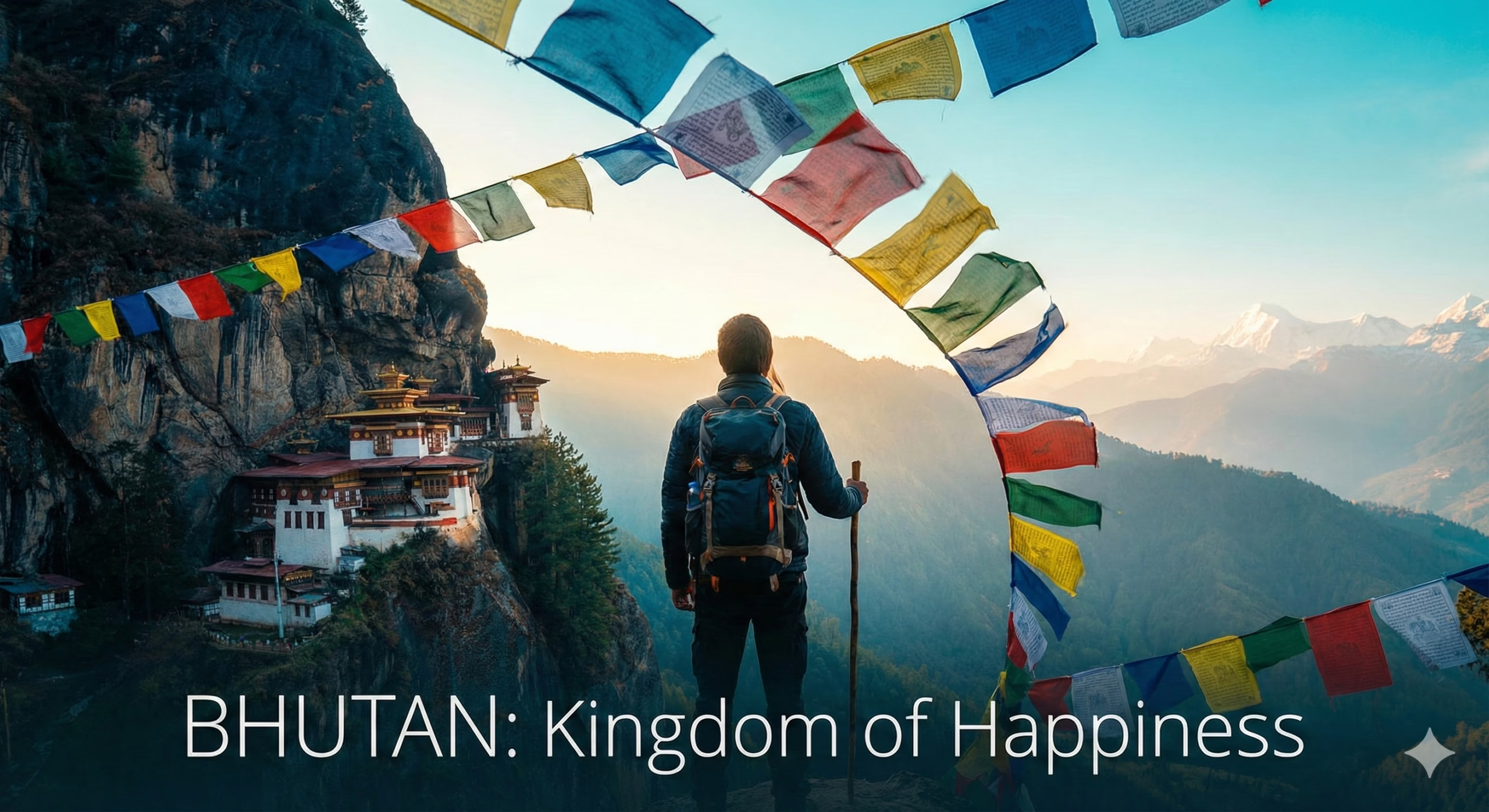
Why Bhutan Deserves to Be Your Next Destination
I watched the sun set over the mountains from my homestay balcony in Paro. I realized something — Bhutan doesn’t try to impress you. It simply is Bhutan new traveler’s choice.
It doesn’t chase trends or rush to modernize. It reminds you that happiness isn’t found in luxury. It is in quiet moments a smile, a prayer flag fluttering in the wind, a shared cup of tea.
That’s why Bhutan new traveler’s choice not because it’s flashy, but because it’s real.
Discover more from Explore Travel-Hub
Subscribe to get the latest posts sent to your email.
No responses yet